
Expand Access to Education Support
Provide school supplies, scholarships, and financial assistance to ensure that vulnerable and deserving children can pursue quality education without financial barriers.

Strengthen Learning and Literacy Outcomes
Implement early childhood literacy, peer education, teacher development, and Good Library programs to enhance reading, comprehension, digital literacy, and overall academic performance.

Build Safe, Inclusive, and Child-Friendly Learning Environments
Support the development and rehabilitation of resilient education facilities that promote health, safety, protection, and equal opportunities for every child.
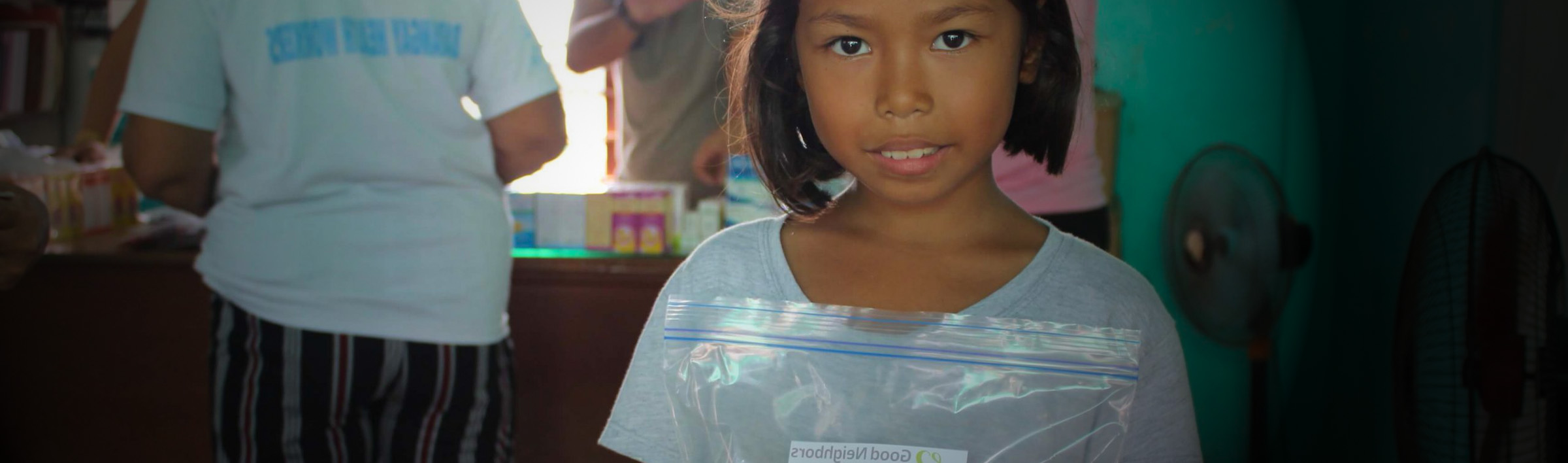
Good Neighbors provides supplemental school items to respond to the educational needs of our sponsored children. This is being conducted annually in all community development project (CDP) areas.

Good Neighbors Philippines helps students pursue their education without the burden of heavy tuition fees and/or other educational costs through the Scholarship Program. It ensures that financial limitations do not prevent talented and deserving students from achieving their academic and career goals. Scholarships are typically granted based on academic merit and financial need.

The program aims to contribute to the learning progress and develop the study habits of the children. This is a program that will supplement the development activities focusing on ECCD.

This program aims to encourage the children/students to help and guide each other to gain knowledge and learn in the process. Children/students who excel in a particular subject or topic are selected and trained to become peer educators.
The latter are encouraged to pass information to others (peer group) in order to generate change among members of the same group.

The program pertains to capacity-building training/workshops for teachers or Child Development Workers of all sorts.
Teachers will be equipped with skills in teaching by introducing them to different kinds of active learning methods and other enhanced teaching approaches and strategies.

Improving the learning outcomes of the students and ensuring that every child will have access to technology and books is one of the programs of Good Neighbors Philippines. This helps in developing literacy education for learners focusing on improving reading, writing, creative, and comprehension skills, as well as digital literacy in today's technology-driven world
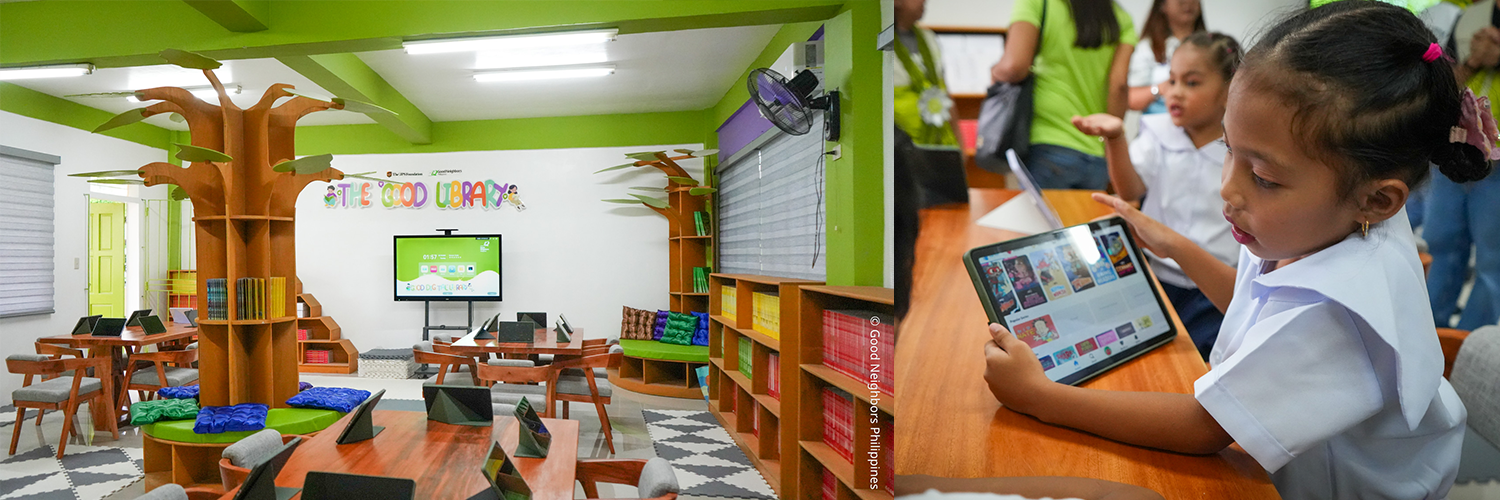
Good Neighbors supports national education agencies in building, improving, and rehabilitating inclusive and adequate learning facilities for students, teachers, and education personnel. Safety standards and disaster resilience are key considerations in all educational infrastructure initiatives. Guided by child-centered principles, GNIP promotes child-friendly learning environments that prioritize children’s overall well-being, in line with UNICEF’s Child-Friendly Schools framework.
This is achieved through the following:
Recognizing Every Child’s Needs
Each child’s developmental and learning needs are acknowledged, including ability, health and nutrition status, gender, ethnicity, and other factors that may lead to discrimination.
Ensuring Healthy Learning Spaces
Schools should promote health and not put children at risk. This includes access to safe water, proper sanitation facilities such as separate toilets for boys and girls, appropriate feeding spaces, and health interventions like deworming and micronutrient supplementation. Schools must also enforce rules to keep the environment free from drugs, alcohol, tobacco, and other harmful substances.
Promoting Safe School Environments
Schools must be designed to meet children’s basic needs and eliminate potential causes of injury. Emergency equipment should be maintained and accessible, and emergency procedures should be established and regularly practiced.
Creating Protective and Nurturing Spaces
Child-friendly learning spaces should encourage learning, play, and healthy interaction. Harassment, bullying, abuse, violence, and discrimination must not be tolerated. Schools should enforce clear codes of conduct and provide counseling and mediation programs when needed.